
The Dez River
& the Birth of Civilization
Where water flowed, humanity built. Along the ancient Coprates, over eight thousand years of architecture and civilization took root.
The Dez River civilization and architecture story is one of humanity’s most remarkable. Every great civilization chose its home beside water. The Nile gave Egypt its pyramids. The Tigris and Euphrates cradled Mesopotamia. Along the Dez River in southwestern Iran, the ancient Coprates the same story unfolded across eight unbroken millennia. Architecture here did not impose itself on the landscape. It grew from it.
The Susiana Plain, watered by the Dez, became one of humanity’s earliest laboratories for urban planning, hydraulic engineering, and monumental architecture, lessons that resonate in every sustainable building designed today. Learn more about our mission and vision on the About DezArchitects page.
Eight Thousand Years
A civilization timeline along the Dez River
Chogha Mish
c. 6800 – 3000 BCEOne of humanity’s earliest proto-literate settlements, evidence of urban planning and early writing emerging from the riverine plain.
Susa (Shush)
c. 4200 BCE – 1200 CEFounded c. 4200 BCE as a great Elamite capital, where architecture, governance, and water management converged for millennia.
Chogha Zanbil
c. 1250 BCEA monumental ziggurat by King Untash-Napirisha, among the best-preserved examples of Elamite architecture and a UNESCO World Heritage Site.
Susa — Imperial Capital
c. 550 – 330 BCETransformed by Darius the Great into a grand winter capital, palatial architecture rising from the same riverine plain that had always sustained life.
Dezful & Shushtar
224 – 651 CEThe Old Bridge of Dezful and Shushtar’s hydraulic system, engineering marvels that turned the river itself into architecture.
Architecture Born from Water
Three sites. Three millennia. One river.
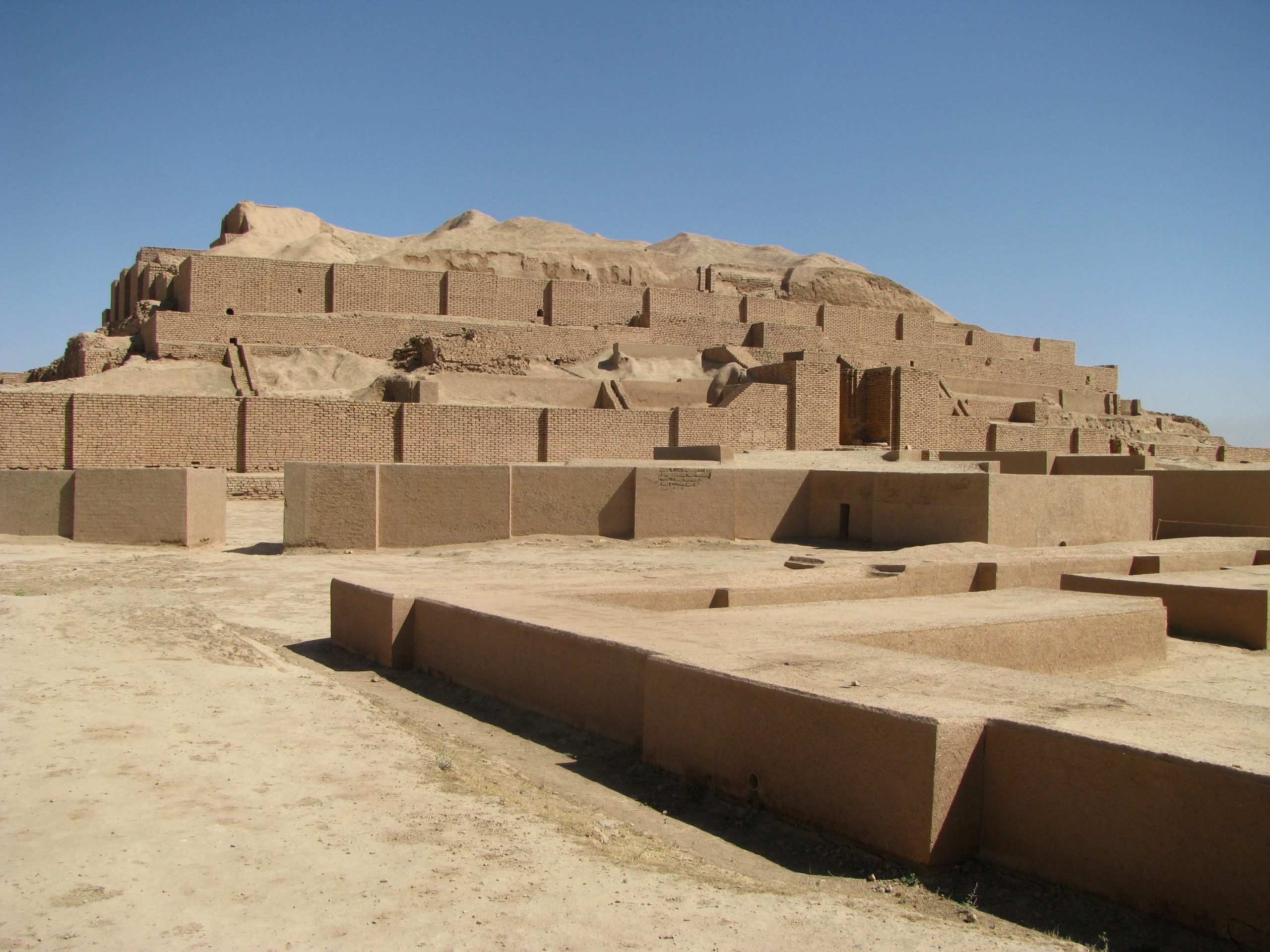
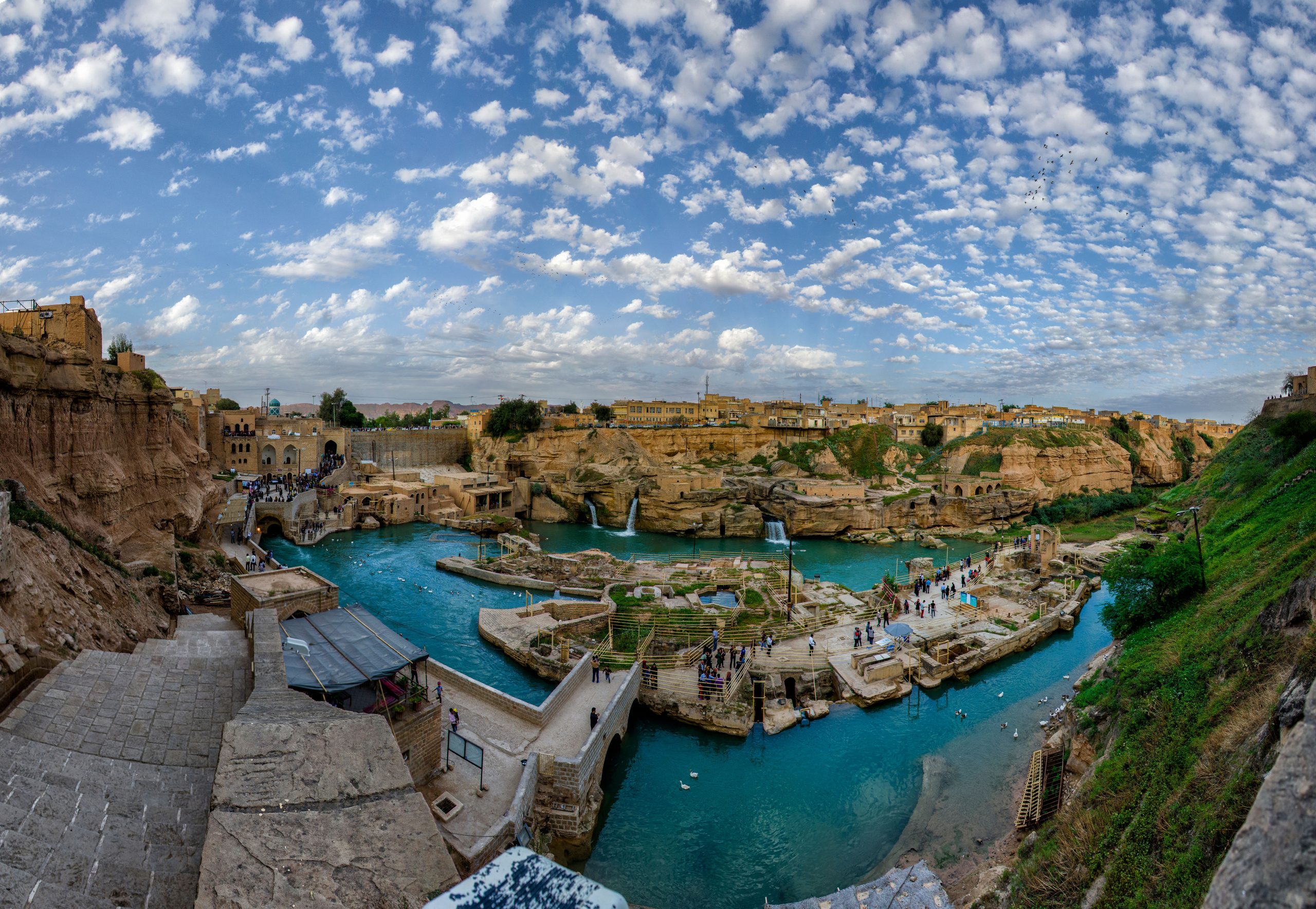
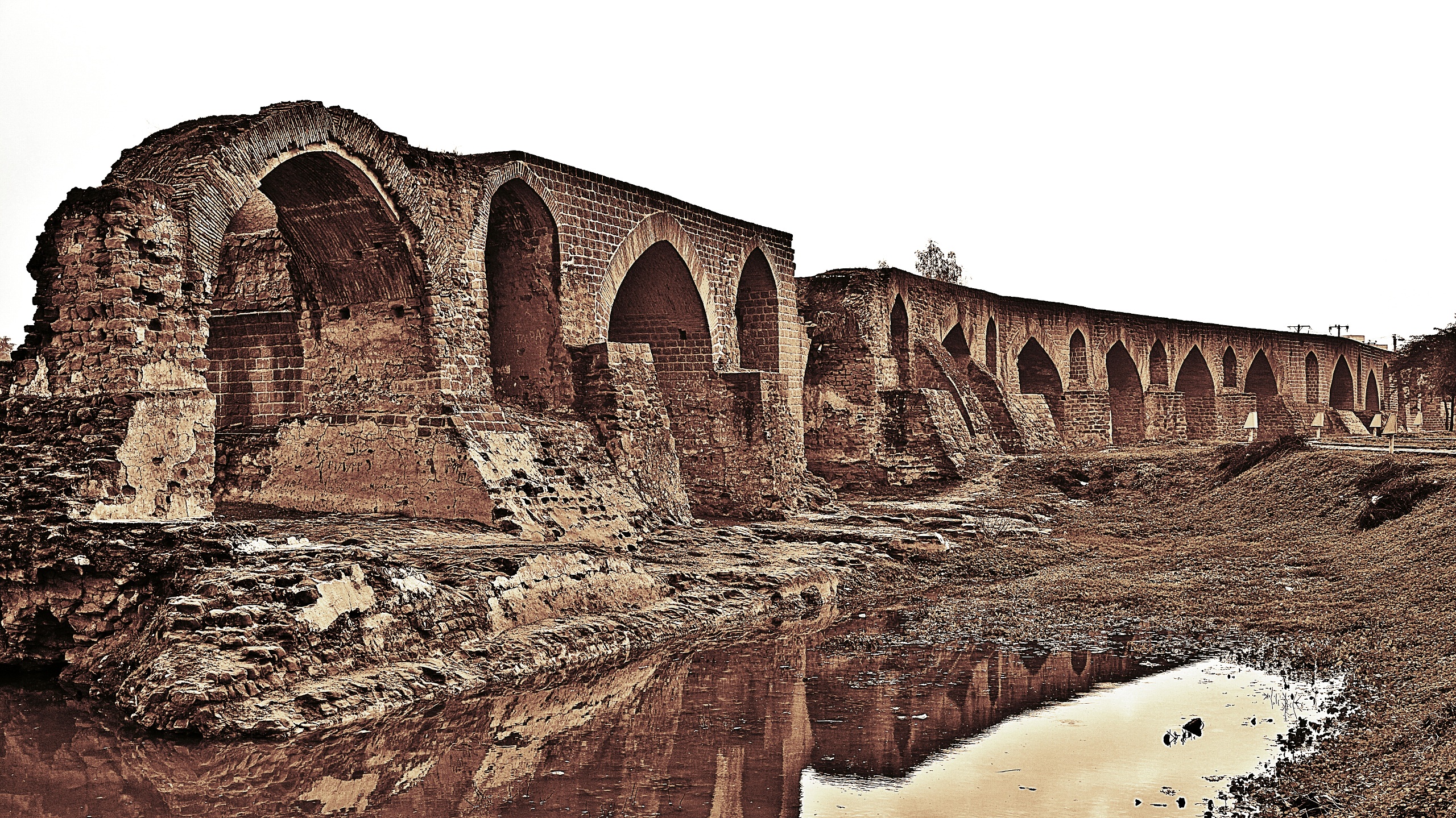
“The river did not merely sustain these civilizations, it shaped them. Every arch, every channel, every wall was an answer to the question the water asked.”
Key Sites Along the Dez
| Site | Period | Key Feature |
|---|---|---|
| Susa (Shush) | 4200 BCE – 1200 CE | Capital of Elam and Achaemenid Empire under Darius the Great |
| Chogha Zanbil | c. 1250 BCE | Best-preserved Elamite ziggurat, UNESCO World Heritage Site |
| Chogha Mish | c. 6800 – 3000 BCE | One of humanity’s earliest proto-literate urban centres |
| Dezful | 260 CE – Present | Sassanid bridge and ancient watermills still standing |
| Shushtar | 3rd Century CE | UNESCO-listed hydraulic system, ancient water engineering marvel |
Photo Credits
- Chogha Zanbil — By درفش کاویانی, GFDL, Wikimedia Commons
- Shushtar Hydraulic System — By Iman Yari, CC BY-SA 4.0, Wikimedia Commons
- Old Bridge of Dezful — By Morteza Hashemi, CC BY-SA 4.0, Wikimedia Commons
The Dez River is not just a waterway. It is eight thousand years of architectural memory waiting to teach us how to build again.
Explore the Blog